

Let’s help with your
debit order collection
.From R1,75 per transaction!
Debit order system
Totally safe and secure
Our AVS also helps with reducing fraud, saving your business time and money.
Direct link to BankServ
We'll help you to collect via debit order directly to your bank account.
DebiCheck Debit Order Collection
15 Years of Debit Order Collection
The Complete Debit Order Collection Solution
The E-Mandate is a fully customisable debit order authorisation that can be electronically signed by customers via your website or application on a computer, tablet or mobile device. The electronic mandates also cater for pre-populated user data and can be linked to any debit order facility or signup process.
All successful businesses are built on trust, and that is why our Account Verification Service (AVS) enables you to verify that the banking details of clients are correct before loading them on to our debit order system. Debit order authorisation is also accepted in the form of electronic mandates, paper mandates or voice recordings to ensure your client authorises the transaction.
Our debit order collection system, with SnapBill integration allows you to send fully customisable invoices and statements, automatically batch customers for specific debit order collection runs and process reconciliation results directly via Bankserv.
Direct Debit offers numerous debit order collection facilities for the processing of both bank account and credit card debit orders. These include EFT debits (Same Day and Two Day), EFT credits (Same Day and One Day) and NAEDO (soon to be DebiCheck) debit facilities. Integration with existing debit order system is made possible via our debit order API.
Detailed debit order reconciliation is always available for all transactions processed (including successful, unsuccessful and disputed transactions). Easily track who has paid you and analyse your debit order collections with ease using our comprehensive reports.
Features of the Debit Order System
(Tap for more information)
cash flow
Increase cash flow
Debit order collection increases your cash flow and ensure you get paid on your terms. That’s why our online debit order system is perfect for enabling you to take control of your cash flow.
BankServ
Direct link to BankServ
Direct Debit’s services are on an enterprise-class banking level and all clients obtain a debit order facility directly with Bankserv, making us one of only a few select first-tier bureaus in South Africa.
collections
Convenient collections
Automated recurring debit order collection from customers ensure convenience for both you and your customers. Debit orders run automatically.
deadlines
Flexible cut-off time
Regular batch submission deadlines of 12:00 daily with the exception of our integration system, debit order API and web services which caters for cut-off times of 15:30.
reconciliation
Fast reconciliation
Direct integration with Bankserv results in accurate and fast reconciliation. We fully reconcile every debit order collection batch as reconciliation is received from the respective banks.
repayment terms
Negotiable repayment
We constantly monitor your repayment terms and amend them as your collection rates improve. We also negotiate initial repayment terms.
automation
Complete automation
Integration with different debit order systems enable you to automate the entire debit order collection process from initial signup to reconciliation of collection for each debtor.
bank fees
Save on bank fees
Direct Debit reduces banking fees through professional consultation, direct integrations with the banking system and customized solutions tailored to each business.
Debit Order Collection
EFT Debit & Credit
EFT debit orders and EFT credit payments on Same Day (SDV) and Two-Day Debit Order Collections (2-Day) with a limit of R1,000,000 per debit instruction.
NAEDO Debit
NAEDO debits are available with a limit of R30,000 per debit instruction. NAEDO debits feature the ability to track debtors accounts ensuring funds are collected.
Credit Cards
Recurring EFT debits (Same Day) from all major credit cards, including VISA, MasterCard, American Express and Diners Club. PCI compliant storage provided.
AVS
Account Verification Service to verify clients’ banking details and if the account allows for debits and credits. Service is available Monday to Friday from 08:00 to 16:00.
DebiCheck
DebiCheck (Authenticated Collections) will enable collectors to authenticate mandates upfront, reducing unpaid debits and disputes while providing the collector assurance. DebiCheck integrates beautifully with the E-Mandate solution.
E-Mandate
Professional, flexible, electronic debit order agreements. E-Mandate allows your customers sign and authorise debit order transactions online and from any web-enabled device. Initiate signing from web, SMS, E-mail or face to face.
SnapBill
SnapBill is a cloud invoicing and billing system that lets you easily sell online. It is perfect for businesses requiring automated subscription billing with debit order payment collection facilities. The perfect debit order system for Direct Debit.
PCI Compliance
Direct Debit’s PCI Vault offers Tokenisation as a Service (TaaS) combined with Entropy as a Service (EaaS) for lightning quick enterprise grade encryption of payment card data on demand. Safely store credit card data securely and automate debit order collection.Our Packages & Pricing
Automated
Debit Order Collection-
Normal EFT debit order
-
File upload system
-
Contract management
-
API integration + webhooks
-
Paper mandates included
-
R349/once-off setup fee
-
Free email support tickets
Standard
Debit Order System-
Normal EFT debit order
-
File upload system
-
Contract management -
API integration -
Paper mandates included
-
R349/once-off setup fee
-
Free email support tickets
DebiCheck
Batch + Real-Time-
Batch / Real-Time DebiCheck
-
Online authorisation form
-
Contract management
-
API integration + webhooks
-
Paper mandates included
-
R349/once-off setup fee
-
Free email support tickets
SnapBill
Invoicing System-
Normal EFT debit order
-
Invoicing and auto recon
-
Rule-based billing system
-
API integration + webhooks
-
Paper mandates included
-
R349/once-off setup fee
-
Free email support tickets
Our Integrations


















Collect Your Way
We pride ourselves in providing businesses with the ability to effortlessly process debit order collections via our flexible, secure and efficient debit order systems.
Whether your business requires a simple debit order batch upload facility or a fully automated debit order system, Direct Debit has your covered.
-
SaaS Billing
The SnapBill debit order system manages customer data, batch collections and automates reconciliation (matches each invoice automatically with a debit order payment received) whilst providing flexible invoicing solutions, reports and statistics.
-
Integration
Connect your front-end system directly with the bank for the facilitation of debit order collections and reconciliation. This is done via a REST based debit order API.
-
Contract Management
Automated debit order system where client is loaded once (from the system or the E-Mandate signed), the contract is set up and from here the system automatically submits transactions for processing. Reconciliation of each transaction in report form and updated on each contract.
-
File Upload
Web-based system, accessed with username and password. Manually upload a CSV, XLSX or XLS (excel) batch file with your client’s banking details, to our system for processing. Reconciliation of each transaction in report form.
-
Contract Management
Automated debit order system where client is loaded once (from the system or the E-Mandate signed), the contract is set up and from here the system automatically submits transactions for processing. Reconciliation of each transaction in report form and updated on each contract.
-
SaaS Billing
The SnapBill debit order system manages customer data, batch collections and automates reconciliation (matches each invoice automatically with a debit order payment received) whilst providing flexible invoicing solutions, reports and statistics.
-
Integration
Connect your front-end system directly with the bank for the facilitation of debit order collections and reconciliation. This is done via a REST based debit order API.
-
File Upload
Web-based system, accessed with username and password. Manually upload a CSV, XLSX or XLS (excel) batch file with your client’s banking details, to our system for processing. Reconciliation of each transaction in report form.
-
File Upload
Web-based system, accessed with username and password. Manually upload a CSV, XLSX or XLS (excel) batch file with your client’s banking details, to our system for processing. Reconciliation of each transaction in report form.
-
Contract Management
Automated debit order system where client is loaded once (from the system or the E-Mandate signed), the contract is set up and from here the system automatically submits transactions for processing. Reconciliation of each transaction in report form and updated on each contract.
-
SaaS Billing
The SnapBill debit order system manages customer data, batch collections and automates reconciliation (matches each invoice automatically with a debit order payment received) whilst providing flexible invoicing solutions, reports and statistics.
-
Integration
Connect your front-end system directly with the bank for the facilitation of debit order collections and reconciliation. This is done via a REST based debit order API.
Debit Order News
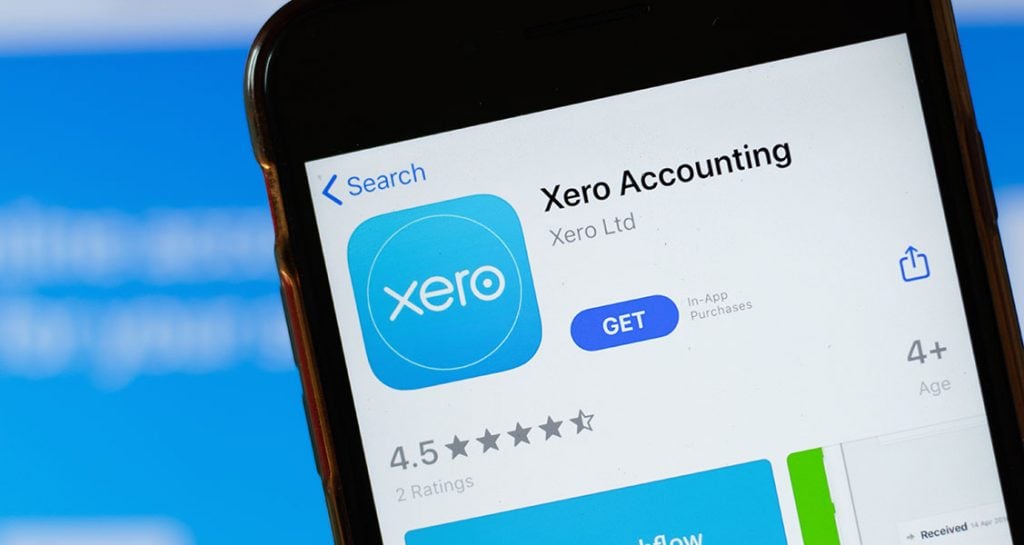
The world of cloud accounting and cloud invoicing has many different providers selling many similar, but different, solutions. Cloud accounting software tends to include both…


The DebiCheck debit order is a new type of authenticated debit order which is electronically confirmed by the account holder, via their bank or service provider, on a once-off basis…
We Love Our Partners




Contact Us
Read our FAQ for answers to common questions.
Frequently Asked Questions
A debit order collection is a convenient way for a third party, that you have given permission, to collect money from your bank account on a recurring basis. It is typically used to collect monthly subscriptions, premiums, donations or repayments.
Direct Debit’s debit order system is a software system solution which allows a business to easily and conveniently process and reconcile debit orders via the banking system. Debit order systems may make provision for uploading transactions, setting recurring contracts or debit order API integration.
The client will need to sign a debit order mandate. This is an authorisation form where a customer gives permission to a service provider, to perform debit order collections from their bank account or credit card on a recurring basis. Debit order authorisation can be obtained via written, electronic or voice mandates.
Direct Debit provides an automated debit order system. The automated debit order collections are submitted and processed automatically on a scheduled day for the amount and time agreed to by the customer. Automated debit orders are extracted and submitted for processing via our contract management system.
Direct Debit’s debit order API is an integration channel used to connect your own system to the debit order system to submit your debit orders for processing and to receive reconciliation of each transaction after processing without any human intervention.
An electronic mandate (E-Mandate) is made available for clients who want their debit order authorisations to be signed online. E-Mandate is a debit order authorisation form that is signed electronically to give permission for debit order collections to be processed from your client’s account. Electronic mandates can be added to your website or sent as a link. Integrated E-Mandates can be prepopulated and an export or webhook received of the raw data after signing.
DebiCheck is an authenticated debit order collection used by banks in South Africa. This type of debit order needs to be authenticated electronically at the start of the agreement or when you want to make any changes to existing agreements. Authentication channels include message notification on SMS, via online banking or app, at an ATM or via POS device.
Direct Debit’s credit card collection allows for you to collect from your client’s debit or credit card on a recurring basis. Card collections require PCI compliance (E-Mandate and SnapBill account) and include VISA or Mastercard.
A billing system is a comprehensive debtor’s system that involves receiving billing records , determining billing rates associated with billing records, aggregating these records periodically to generate invoices, sending invoices to the customer and collecting payments received from the customer via EFT, debit order or cash and reconciliation of each invoice as paid or unpaid. The billing system fully integrated with Direct Debit is SnapBill.
Direct Debit
Park Lane West Building
194 Bancor Avenue
Waterkloof Glen
Pretoria
0181

Direct Debit sets the standard for NAEDO and EFT debit order collection in South Africa.
Follow Us
Copyright © 2009-2024 Direct Debit (Pty) Ltd
~ Voted #1 debit order company in South Africa, for the last 15 years running. ~